Markets are hitting record highs. Crypto is back in the headlines. But beneath the surface, something’s off.
First-time homebuyers are pushing 40. Small businesses are facing tightening credit and softening demand. Debt is surging, inflation persists, and equity ownership remains locked in the hands of older generations.
We seem to be entering a stage where we see the truth, but hesitate to name it. A stage where we downplay the signs and cling to the illusion of normalcy. In times like these, a hero may be tempted to refuse the call.
But eventually, every hero (and every economy) has to cross the threshold. Waiting for clarity is no longer an option. Those paying attention now will be better positioned when the next phase begins.
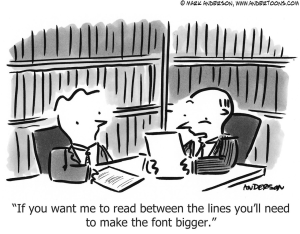
Here, we dive into some deepening cracks, a couple of expert takes on what’s happening, and why it’s more important than ever to read between the lines.
Big Banks, Bigger Cracks
While headlines flash record highs and “resilient” financials, big bank earnings are telling a different story. JP Morgan’s EPS just reported a 28% drop in Q2 profits compared to last year. Loan growth is barely moving, and deposits haven’t budged. In other words, the core engine of the banking business is sputtering and Wall Street is shrugging.
To mask the slowdown, some banks are turning to massive overnight repo borrowings, including one eye-popping $188 billion draw. These short-term band-aids might support appearances, but they don’t fix the underlying issue: a credit cycle that’s losing steam.
When lending flattens and balance sheets bloat with borrowed oxygen, that’s not a bullish signal. That’s a red flag. Investors might be cheering for a soft landing, but these numbers suggest we’re far from it. Underneath the rally is a system stretching its limits and betting on borrowed time.
In his latest memo, Howard Marks dives into what happens when governments try to override market forces. He also covers how those efforts often end in exactly the kind of pain they were meant to prevent.
Rent control. Fire insurance in California. Blanket tariffs. Marks makes the case that while these interventions aim to protect constituents, they distort incentives, limit mobility, and reduce investment. When regulators cap fire insurance premiums but won’t let companies price based on future risk, insurers exit the market.
The result? After devastating wildfires, most affected homes were uninsured. It’s not just economic theory, it’s real-world damage.
Then there’s the fiscal piece. Marks doesn’t hold back on Washington’s spending habits or the political paralysis around Social Security. He warns that ignoring deficits and demographics will eventually force a reckoning.
Free markets aren’t flawless. Trying to out-legislate the laws of economics is like ignoring gravity because you don’t like the fall.
The Illusion of Strength
Markets may be soaring, but Ted Oakley isn’t buying the narrative. Behind the headlines, he sees a market priced for perfection while the fundamentals are starting to fray.
Housing is slipping. Consumer sentiment is lower than it was during COVID. Layoffs are quietly stacking up. And the spending spree from the top 20%? Oakley argues it’s fueled more by inflated asset values than real wage growth.
Meanwhile, debt is ballooning ($37T and climbing). Interest payments now eat up more federal revenue than defense spending. Foreign central banks aren’t sticking around to see how it ends. They’re quietly exiting Treasuries and loading up on gold.
Oakley’s take is blunt: this isn’t a healthy economy. It’s a high-wire act with no net. The market’s strength is narrow, sentiment is euphoric, and denial runs deep, especially among older investors who are all-in on risk.
Animal Spirits and the Divergence Game
According to David Rosenberg, the global stock market is running on fumes. From the TSX to the S&P 500 to China, everything’s up, but not because the fundamentals are strong. Headlines, momentum, and blind speculation are driving the show.
In Rosenberg’s eyes, the “fiscal cliff” panic passed, tariff threats are seen as empty, and the markets became immune to noise. Everyone’s back in risk-on mode, and no one’s asking if the real economy can support it.
The problem? The divergence between stocks and reality is widening fast. In Canada, the economy is flat on its back, yet equities are booming. In the U.S., stocks are trading like they’re risk-free while earnings yields match Treasury yields. That math doesn’t hold. If equities deserve no premium over bonds, something’s off.
Rosenberg calls it what it is: animal spirits. He’s not buying the hype, either. Exposure is low. Confidence is even lower.
Meanwhile, pressure is mounting on the Fed, with talk of political interference if Powell steps aside. Rosenberg warns this could spook markets, not because of one person, but because of what it signals about credibility and independence. If the Fed becomes a political puppet, long-term rates could spike, the dollar could drop, and the rally could lose its legs fast.
As for recession? Rosenberg says the risk is higher now than it was in 2022 or 2023. Back then, everyone expected a downturn. It didn’t come. Now, no one does and the data is already flashing red. Real GDP is fractionally negative on both a three- and six-month basis. That’s a major recession indicator, but the market’s not listening.
Between the Lines
There’s a reason this moment feels strange. The signs say “record highs,” but your instincts might say “something’s off.” And they’re right. Beneath the rally, the banks are borrowing air, the credit cycle is bending, and real people are being priced out of the future.
We’re experiencing a collective Refusal of the Call. We’re in a phase where we stall in disbelief, hoping things snap back to “normal.” But they won’t. Not when the economy is fueled by printed money and propped up by sentiment. Not when we’re still fighting wars we can’t afford and ignoring truths we can’t unsee.
The data is one thing. The silence is louder. The real economy, the one you actually operate in, doesn’t care what cable news says. It cares about liquidity, leverage, and whether or not your customers can pay their bills.
So if you’re feeling the friction, good. That means you’re paying attention. And that means you’re already ahead.
It’s time to trade headlines for strategy. We’re here to help you do exactly that.
As a Dare Back Room Service partner, you’ll receive:
- Greater Income (like a lot more)
- Owning assets instead of commissions
- Zero investment down
- No personal liability
- Fifty-fifty split on risks and profits
- Portfolio management software from NN6, LLC
Ready to learn more? Give us a call.
If you enjoyed this newsletter, pass it along to your friends.
Until next time,